Acacia
Vachellia karroo
Production
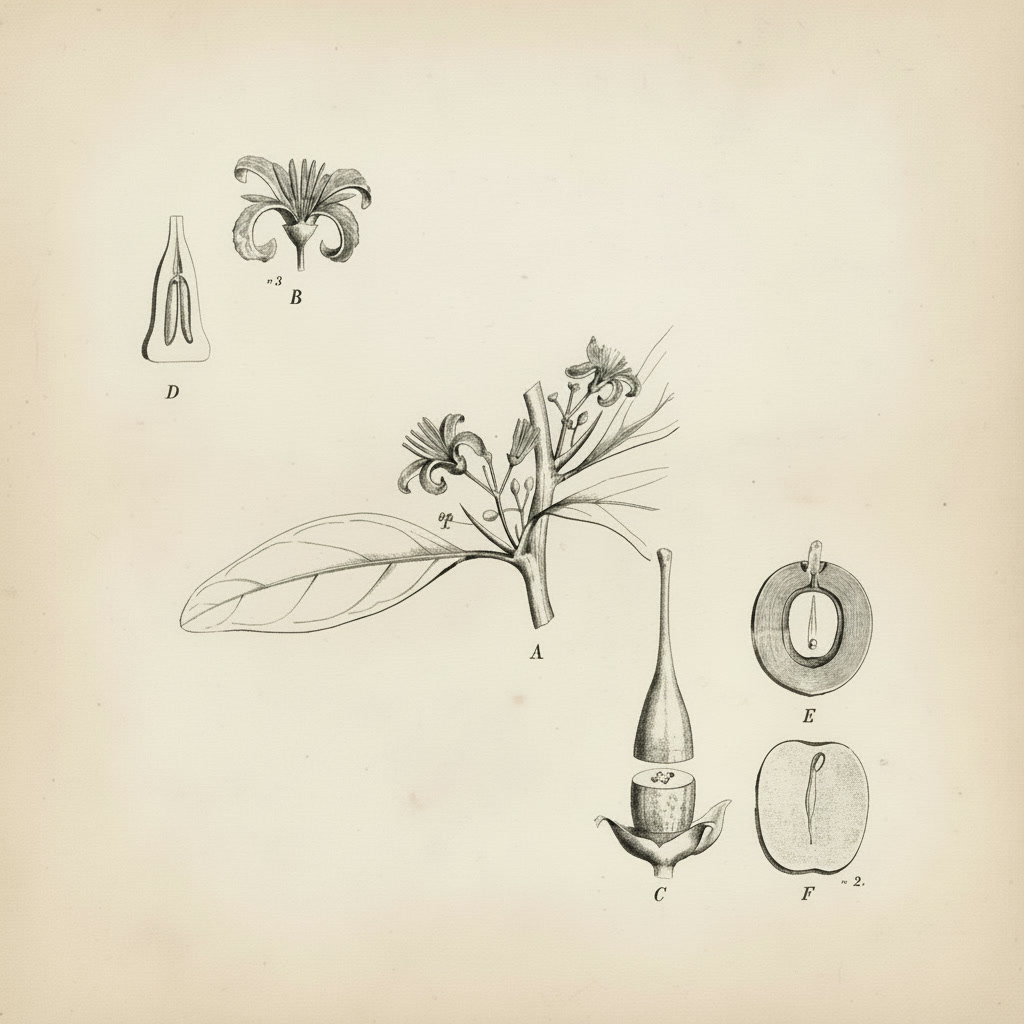
Vachellia karroo, commonly known as Sweet Thorn or African Acacia, is one of the most widespread and ecologically significant trees in South Africa. It is a pioneer species that colonises disturbed land, stabilises soil, and fixes atmospheric nitrogen, making it a cornerstone of rangeland recovery and dryland farming systems. The tree produces abundant golden-yellow flower clusters with a sweet fragrance that supports honeybee populations across the subcontinent. Its bark, gum, pods, and leaves have been used medicinally and nutritionally for centuries by indigenous communities. Commercially, the tree yields a high-grade gum arabic substitute used in food, pharmaceutical, and cosmetic industries. In agroforestry it provides fodder, shade, and firewood. As climate pressures intensify across southern Africa, Vachellia karroo is increasingly recognised as a climate-resilient resource — drought-tolerant, fast-establishing, and multifunctional.
- Tannins (bark and pods)
- Flavonoids
- Gum arabic polysaccharides
- Alkaloids (traces in leaves)
- Bark decoction used to treat diarrhoea and dysentery
- Gum dissolved in water taken for sore throats and chest complaints
- Leaf poultices applied to wounds and skin infections
- Root infusions used for eye complaints and fever
- Tannin-rich bark extracts demonstrate antimicrobial activity in vitro (Van Wyk et al., 2009)
- Gum arabic shown to support gut microbiome health and prebiotic function (Calame et al., 2008)
- Anti-inflammatory activity of flavonoid fraction documented in South African Journal of Botany
Semi-arid to sub-humid. Tolerates frost, drought, and poor soils. Rainfall 250–750mm per annum.
Karoo, Eastern Cape, KwaZulu-Natal midlands, Limpopo bushveld, Free State grasslands
Harvested wild for gum and bark. Agroforestry potential being explored by DAFF and university research programmes.
The Khoi, Xhosa, Zulu, and Sotho peoples have used Vachellia karroo for generations as a medicine chest, food source, and building material. Bark was scraped and boiled to treat stomach ailments and applied as a wound dressing. The sweet gum that bleeds from the trunk after insect damage was eaten directly as a food and energy source. Zulu traditional healers known as izinyanga used root preparations to treat eye infections and fever. The long white thorns were used as needles.