Athrixia
Athrixia phylicoides
Production
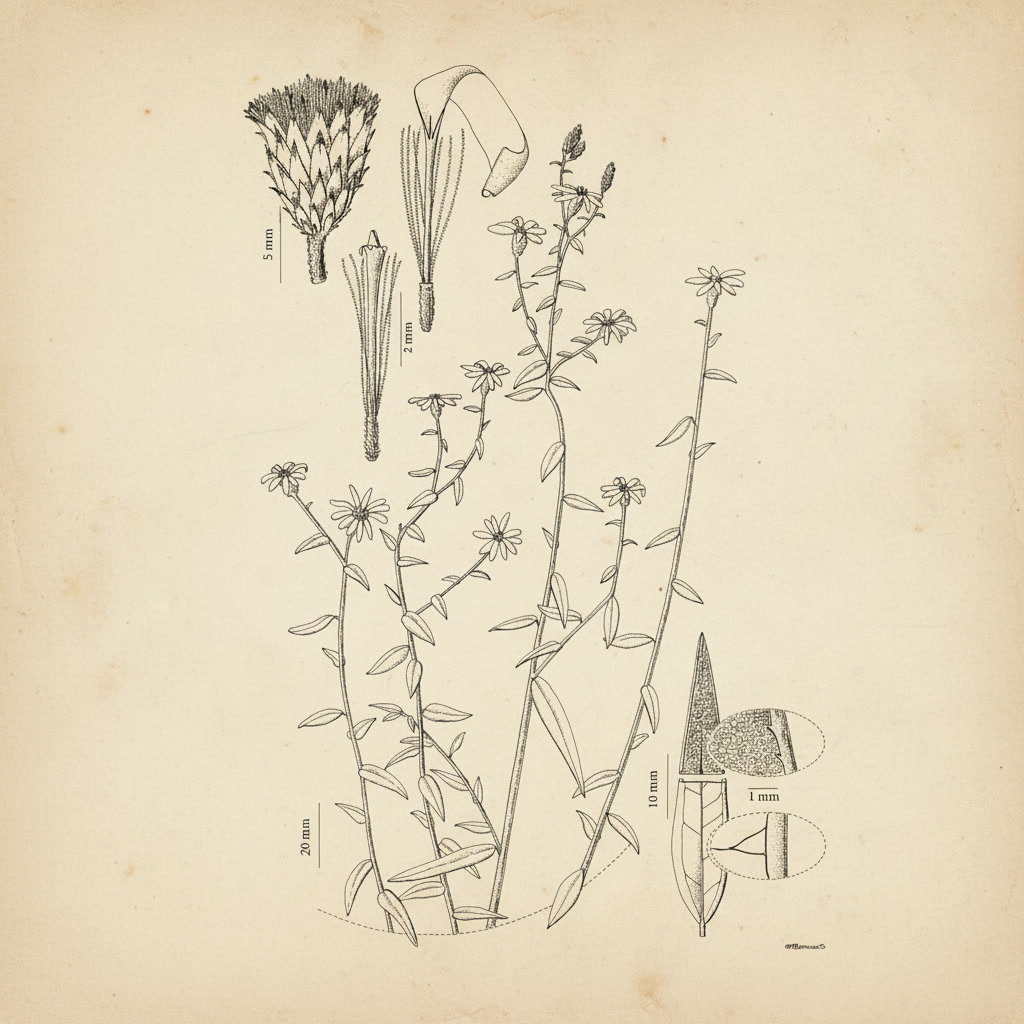
Athrixia phylicoides, commonly known as Bush Tea or Magoebaskloof Tea, is a slender aromatic shrub native to the highveld grasslands and mountain forests of eastern South Africa. It has been brewed as a herbal tea by Zulu, Sotho, and Venda communities for generations, valued for its pleasant mild flavour and medicinal properties. The plant produces small pink to purple daisy-like flowers and has fine needle-like leaves that release a distinctive herbal scent. Unlike Rooibos and Honeybush, Athrixia has received relatively little commercial attention until recently, when researchers began documenting its significant antioxidant capacity and antimicrobial properties. The University of Limpopo and the Agricultural Research Council have identified it as a high-potential candidate for commercial tea development, particularly for the premium wellness and herbal tea markets in Europe and Asia. Its highland origin, caffeine-free profile, and unique flavour position it as a compelling addition to South Africa's growing botanical beverage export portfolio.
- Flavonoids (quercetin, luteolin, rutin)
- Phenolic acids (caffeic acid, chlorogenic acid)
- Tannins
- Essential oils (alpha-pinene, limonene)
- Leaf infusion taken for coughs, colds, and chest complaints
- Used as a general wellness tonic and digestive aid
- Applied topically for skin irritations and minor wounds
- Taken to relieve headaches and mild fever
- Brewed as a daily beverage for general health maintenance
- High antioxidant activity demonstrated using DPPH and ABTS assays (Ntuli et al., 2013)
- Antimicrobial activity against Staphylococcus aureus and Bacillus cereus documented (Motlhanka et al., 2008)
- Anti-inflammatory potential of phenolic fraction identified in preliminary studies (University of Limpopo, 2015)
Highveld and escarpment grassland. Tolerates frost and moderate drought. Prefers well-drained acidic soils at altitude. Rainfall 600–1000mm per annum.
KwaZulu-Natal midlands and Drakensberg foothills, Mpumalanga escarpment, Limpopo highlands including the Magoebaskloof and Woodbush areas
Currently wild-harvested in small volumes for local herbal tea markets. Cultivation protocols are being developed by the Agricultural Research Council. Commercial scale production has not yet been established but is identified as a near-term opportunity.
Athrixia phylicoides has been brewed as a daily tea by Zulu and Sotho highland communities for many generations. Known in Zulu as Isihaqa, the tea was prepared by boiling fresh or dried leaves and drinking the infusion unsweetened as a morning tonic. Sotho communities used it specifically for respiratory complaints during the cold highveld winters, where its warming and expectorant properties were particularly valued. In Venda traditional medicine the plant is used in combination preparations for digestive complaints. The plant grows abundantly in communal grazing areas of the escarpment, and its harvesting has traditionally been a domestic and community activity rather than a commercial one. Elders in Magoebaskloof communities recall it as a constant presence in highland homesteads, always available and always trusted.